From disposal to material cycles
Lansing’s public-service history included refuse collection, curbside recycling, drop-off recycling, yard-waste handling and community education. Over time, these functions were increasingly described as waste reduction rather than simple removal. The change in language matters. Disposal asks where unwanted material goes; reduction asks how much enters the stream, what can be reused and whether organic material can return to soil.
The city’s earlier public material described weekly systems and many special events, but this guide does not reproduce calendars, routes or instructions. Those details change and belong on the official municipal website. The durable historical point is that recycling and yard waste became visible civic systems, supported by containers, collection infrastructure, public communication and the repeated habits of households.
Curbside and drop-off approaches
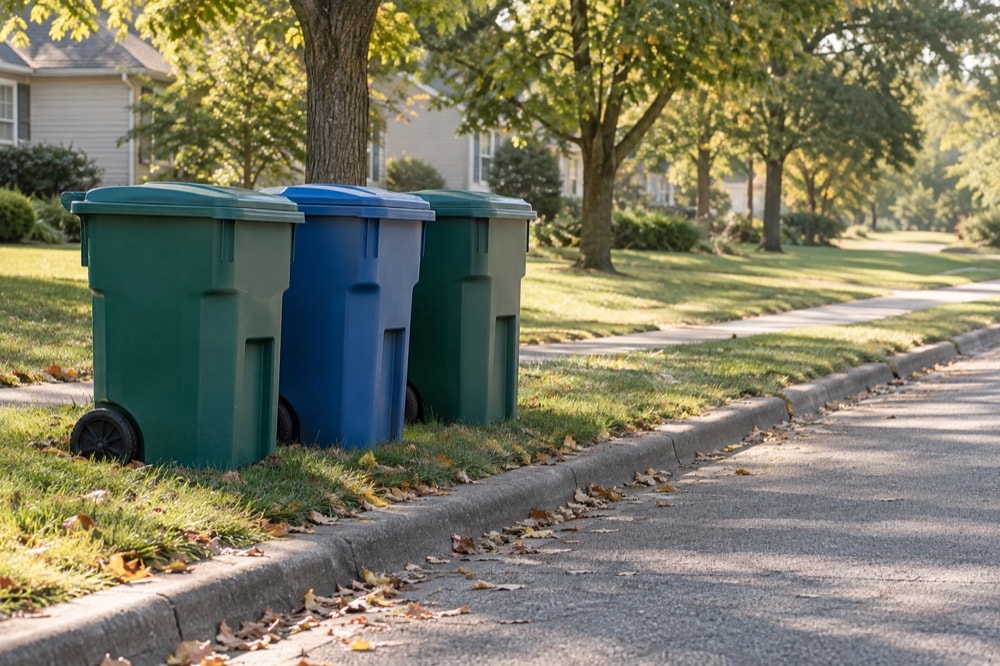
Curbside recycling brings sorting into the landscape of the residential street. A bin at the curb is a small object, yet it connects a household to vehicles, workers, processing sites and markets for recovered material. Drop-off programs organize the same goal differently, concentrating materials at selected points. Lansing used both approaches, reflecting a common tension between convenience, coverage and the practical demands of collection.
The historical “green bin” language made recycling easy to recognize without requiring a long explanation. Color and container shape can turn a public system into an everyday cue. Yet the bin is only the visible end. Behind it lie decisions about accepted materials, storage, transport and contamination. Because those details evolve, an independent guide should describe the system’s place in civic history without pretending to operate it.
Yard waste and composting
Leaves, grass and small plant material do not behave like ordinary refuse. They are seasonal, bulky and capable of decomposition. Lansing’s yard-waste program paired curbside collection with background material on backyard composting, grasscycling and mulch. The important idea was circular: plant material could be managed as an organic resource rather than buried with mixed waste.
Seasonality made the system especially visible. Spring cleanup and autumn leaf fall produce sudden volumes, while summer growth changes week by week. Earlier pages devoted considerable space to collection timing and container limits; none of that is carried forward here. What remains relevant is the way yard waste tied household landscapes to municipal material management and to the broader culture of gardening.
The Go Green era
A “Go Green” initiative gathered environmental themes under a recognizable civic heading. Recycling education, lower-waste choices and special collection efforts were part of that moment. The messaging reflected a wider shift: environmental responsibility was being presented not as an isolated department task but as a shared habit touching homes, streets, public facilities and purchasing choices.
Education was central because collection systems depend on consistent participation. Earlier material included newsletters, school activities and community events. Some campaigns were temporary, but the educational approach had lasting significance. Infrastructure alone cannot explain why a material belongs in one stream rather than another; public understanding completes the system.
Water beneath the street
The public-service story also included a major combined-sewer-overflow project. Combined systems carry stormwater and wastewater through shared infrastructure, so heavy water can create difficult capacity problems. Lansing’s project belonged to a long period of construction and river-focused environmental work. This guide does not describe engineering specifications or current project status, but the historical relationship is clear: river health depends partly on systems that most residents never see.
Waste collection and sewer work may seem unrelated. One deals with visible objects at the curb; the other with buried pipes and moving water. Both reveal the city as a network of flows. Materials, rain, wastewater and public information must travel through coordinated systems. Their routine character is precisely why they are easy to overlook.
An environmental history of the ordinary
Environmental history is not limited to forests and rivers. It also includes the shape of a bin, the separate handling of leaves, the expectation that materials can be reused and the decision to rebuild underground infrastructure. Lansing’s waste-reduction era shows public environmental thinking becoming embedded in ordinary services. The durable lesson is not a collection rule; it is the gradual redefinition of what a city considers waste.